

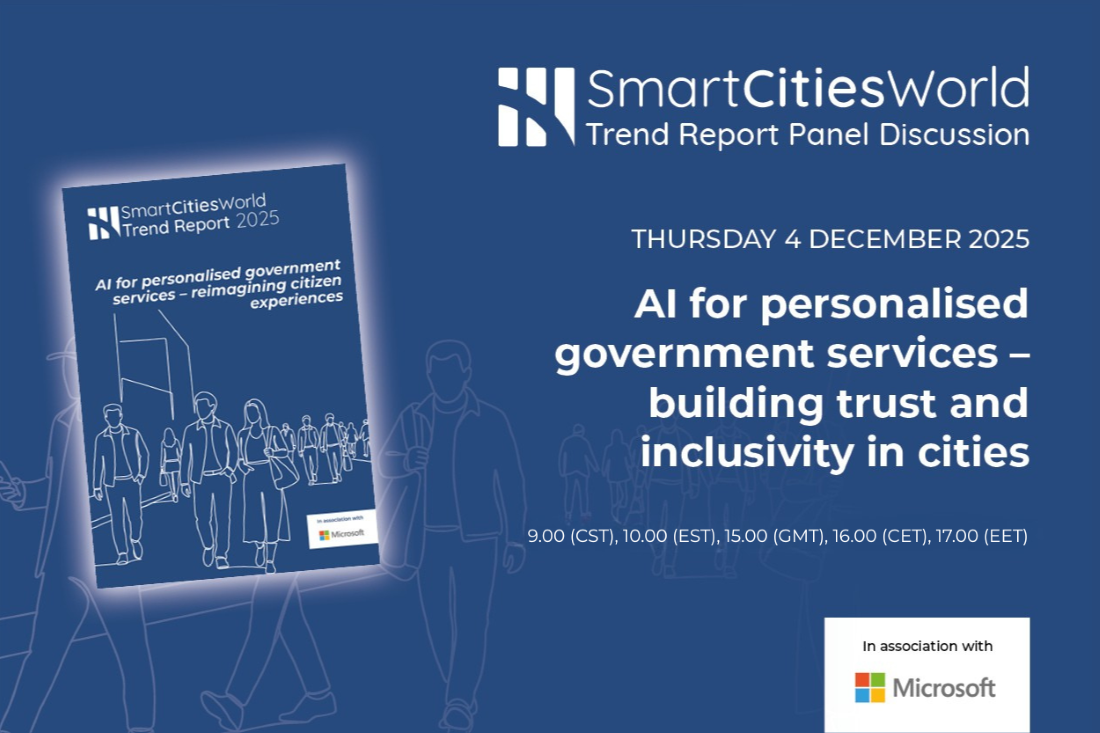
Exploring AI's Role in Personalized Government Services
The integration of artificial intelligence (AI) in government services is transforming the way cities interact with their citizens. This shift towards personalization not only enhances service delivery but also fosters trust and inclusivity within urban environments. A recent panel discussion highlighted the importance of adopting AI technologies to create tailored services that meet the unique needs of diverse populations.
Digital Twins: The Intelligent Operating Layer
One of the key topics discussed was the concept of digital twins, which serve as a virtual representation of physical entities in urban settings. By leveraging data from various sources, digital twins enable city planners and officials to simulate and analyze urban dynamics. This intelligent operating layer allows for more informed decision-making, ultimately leading to improved public services.
During the discussion, experts emphasized that digital twins, when integrated with AI, can predict trends and behaviors, allowing governments to proactively address issues such as traffic congestion, resource allocation, and emergency response. This predictive capability is crucial for creating a responsive and adaptive urban environment.
Getting the Data Strategy Right
In addition to digital twins, the panel also addressed the necessity of developing a robust data strategy. A well-defined data strategy is essential for smarter sites and safer operations. Governments must collect, manage, and utilize data efficiently to enhance service delivery and ensure public safety.
The speakers underscored that data must be harnessed not only for operational efficiency but also for building trust with citizens. Transparency in data usage and decision-making processes can significantly improve citizen engagement and foster a sense of inclusivity. When individuals feel that their needs and concerns are being acknowledged, they are more likely to trust and engage with their local government.
The Importance of Trust and Inclusivity
At the heart of personalized services lies the need for trust. As governments implement AI technologies, they must prioritize ethical considerations and data privacy. Citizens are more inclined to adopt AI-driven services if they believe their data is secure and that their voices are heard.
Inclusivity is another critical factor. Cities must ensure that all demographic groups, including marginalized communities, have access to personalized services. This can be achieved by utilizing AI to identify and address disparities in service delivery, ensuring that no one is left behind in the digital transformation.
Conclusion
The panel discussion on AI for personalized government services illuminated the potential of technology to enhance urban living. By embracing digital twins and adopting effective data strategies, cities can create an inclusive environment where trust flourishes. As AI continues to evolve, it is imperative for governments to remain vigilant in addressing ethical concerns and ensuring that all citizens benefit from these advancements.
In conclusion, the journey towards smarter, more personalized government services is ongoing. It requires collaboration between various stakeholders, including city officials, technology providers, and the community. Only through collective efforts can cities build a future that is not only technologically advanced but also equitable and inclusive for all residents.
Source: Smart Cities World News